

Is your memory foam mattress looking a little tired or stained? You might be wondering if using an upholstery cleaner is a quick fix to freshen it up.
It sounds like an easy solution, right? But before you grab that bottle, it’s important to know how these cleaners interact with memory foam. Using the wrong product could damage your mattress or make the problem worse. You’ll discover whether upholstery cleaner is safe for your memory foam mattress and learn the best way to keep it clean and comfortable for years to come.
Keep reading to protect your investment and sleep better tonight!
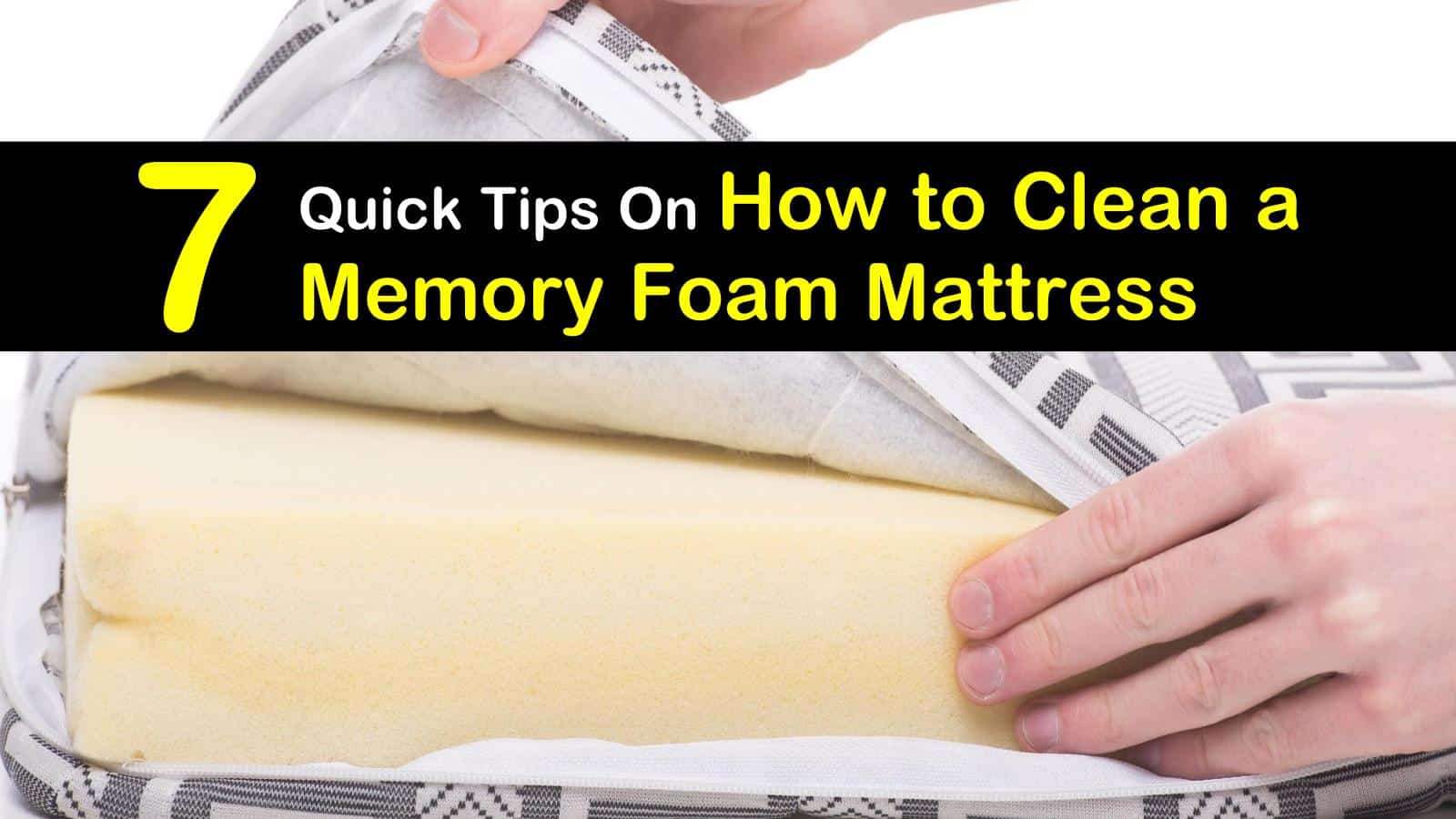
Credit: www.crystli.com
Memory Foam Mattress Basics
Memory foam mattresses offer unique comfort and support. They mold to your body, easing pressure points for better sleep. Understanding their basics helps in proper care and cleaning.
Material Composition
Memory foam is made from polyurethane and other chemicals. These create a dense, soft material that responds to heat and pressure. The foam’s open cells allow air flow but also absorb moisture easily. This material is different from traditional mattress foam, needing special care.
Cleaning Sensitivities
Memory foam is sensitive to water and harsh cleaners. Too much moisture can damage the foam and cause mold. Strong chemicals may break down the foam’s structure. Gentle cleaning methods work best to keep the mattress safe and fresh.

Credit: www.mattressonline.co.uk
Types Of Upholstery Cleaners
Upholstery cleaners come in different types. Each type works best on certain fabrics and stains. Choosing the right cleaner matters a lot. This is true for memory foam mattresses. Understanding cleaner types helps protect your mattress from damage. Let’s explore the main kinds of upholstery cleaners.
Water-based Cleaners
Water-based cleaners use water as the main solvent. They are gentle and safe for many fabrics. These cleaners dissolve dirt and stains easily. They dry fast and leave little residue. Water-based cleaners are good for light stains and regular cleaning. They usually have a mild scent. These cleaners work well on memory foam if used carefully. Avoid soaking the foam to prevent damage.
Solvent-based Cleaners
Solvent-based cleaners use chemicals instead of water. They remove tough stains like grease and oil. These cleaners dry quickly without water damage. Solvent cleaners can be strong and harsh. They might harm delicate fabrics and foam. Use them only if recommended for memory foam. Always test on a small area first. Use in a well-ventilated room to avoid strong fumes.
Foam Cleaners
Foam cleaners create a thick foam that lifts dirt. They do not soak fabrics with liquid. Foam cleaners are easy to apply and rinse. They work well on upholstery and mattresses. Foam dries quickly and leaves little moisture behind. This makes foam cleaners safe for memory foam mattresses. They help clean without damaging the foam structure. Choose foam cleaners made for delicate surfaces.
Risks Of Using Upholstery Cleaner On Memory Foam
Using upholstery cleaner on a memory foam mattress can cause several risks. Memory foam is sensitive and needs special care. Upholstery cleaners often contain harsh chemicals. These chemicals may harm the foam inside the mattress.
Choosing the wrong cleaner can lead to problems that are hard to fix. Understanding the risks helps protect the mattress and keep it comfortable for longer.
Potential Damage To Foam
Upholstery cleaners can break down memory foam’s structure. The foam may become soft, crumbly, or lose its shape. Some cleaners leave residues that trap moisture inside. This moisture can cause mold or mildew growth. Foam with damage loses its support and comfort. Using cleaners not made for memory foam increases the risk of damage.
Effect On Mattress Longevity
Cleaning memory foam with the wrong products shortens its life. Chemicals can weaken the foam’s cells over time. The mattress may wear out faster than usual. This means replacing the mattress sooner. Proper cleaning methods help maintain the mattress’s durability. Avoiding upholstery cleaners helps extend the mattress’s lifespan.
Safe Cleaning Methods For Memory Foam
Memory foam mattresses need gentle care to stay fresh and last long.
Strong cleaners or too much water can damage the foam inside.
Use safe cleaning methods to avoid shrinking or breaking the foam.
Focus on removing stains and odors without soaking the mattress.
Spot Cleaning Techniques
Spot cleaning works best for small stains on memory foam.
Use a clean cloth or sponge to gently dab the stain.
Avoid rubbing hard because it can tear the foam surface.
Blot the area with cold water first to loosen dirt.
Apply a small amount of cleaner only on the stain.
Using Mild Detergents
Choose mild detergents without bleach or strong chemicals.
Mix a few drops with water to make a gentle cleaning solution.
Use a soft cloth to apply the solution carefully on spots.
Rinse the cloth and blot the cleaned area to remove soap.
Strong detergents can break down foam and cause odors.
Drying Best Practices
Dry memory foam completely after cleaning to prevent mold.
Use a fan or open windows to speed up drying.
Avoid direct sunlight because it can damage the foam.
Do not use a hairdryer or heat source on the mattress.
Let the mattress air dry for several hours before use.
When To Avoid Upholstery Cleaner
Knowing when to avoid upholstery cleaner on a memory foam mattress is important. Some situations need extra care. Using the wrong cleaner can damage the foam or leave stains. Understanding these cases helps protect your mattress and keep it fresh.
Stains That Require Special Care
Some stains need special treatment. Blood, urine, and sweat can soak deep into memory foam. Upholstery cleaners might not remove these well. They can also cause the stain to spread or become sticky. Use mild soap and water or specific enzyme cleaners made for these stains. Always blot gently instead of scrubbing hard.
Manufacturer Recommendations
Check your mattress label before using any cleaner. Many brands advise against upholstery cleaners. They suggest using water and mild detergent only. Some warn that chemicals can break down the foam structure. Following these instructions keeps your mattress safe and lasts longer. When in doubt, contact the manufacturer for advice.
Alternative Cleaning Solutions
Cleaning a memory foam mattress needs care and the right methods. Upholstery cleaners can harm the foam or leave residues. Alternative cleaning solutions keep your mattress fresh without damage. These options use gentle, natural ingredients or expert help. They remove odors, stains, and dirt safely. Explore simple, effective ways to care for your mattress.
Baking Soda And Vinegar
Baking soda is great for freshening memory foam. Sprinkle it over the mattress surface and let it sit for hours. It absorbs moisture and neutralizes odors. Afterward, vacuum the baking soda off thoroughly.
Vinegar is a natural cleaner that breaks down stains. Mix equal parts water and white vinegar in a spray bottle. Lightly mist the stained area and let it dry. Vinegar also helps kill bacteria without harsh chemicals.
Use baking soda and vinegar carefully to avoid soaking the mattress. Too much liquid can damage the foam inside. Always test a small area first to check for color changes.
Professional Cleaning Services
Sometimes, professional cleaning is the safest choice. Experts use tools and solutions made for memory foam. They remove deep stains and allergens without harm.
Cleaning services save time and effort. They ensure your mattress stays in good shape longer. Professionals also dry the mattress properly to prevent mold growth.
Choosing a reputable service is important. Check reviews and ask about their cleaning methods. This protects your investment and health.
:max_bytes(150000):strip_icc()/How-To-Clean-A-Foam-Mattress-Topper-7814384-Method-1-Step-5_preview-9f84df0f176d4c06b7fbf337d80ea1cc.jpg)
Credit: www.realsimple.com
Frequently Asked Questions
Can Upholstery Cleaner Damage Memory Foam Mattresses?
Yes, some upholstery cleaners can damage memory foam. Harsh chemicals may break down foam cells, reducing comfort and durability. Always check cleaner ingredients and test on a small area before full use to prevent damage.
Is Upholstery Cleaner Safe For All Memory Foam Types?
Not all upholstery cleaners are safe for every memory foam mattress. Different foams react differently to chemicals. Use cleaners labeled safe for memory foam or opt for gentle, water-based solutions to avoid harm.
How To Properly Clean A Memory Foam Mattress?
Use mild detergent mixed with water and a soft cloth to spot clean. Avoid soaking the foam. Allow the mattress to air dry completely to prevent mold and odor.
Can I Use Upholstery Cleaner For Stains On Memory Foam?
You can use upholstery cleaner on stains if it’s gentle and foam-safe. Always test a small spot first. Harsh cleaners can cause discoloration or foam breakdown.
Conclusion
Using upholstery cleaner on a memory foam mattress can cause damage. Memory foam needs gentle, special care to stay fresh and last long. Choose cleaners made for memory foam or mild soap with water. Always test a small area first to avoid problems.
Let the mattress dry completely before use. Clean your mattress carefully to keep it comfortable and clean. Protect your sleep space with the right cleaning steps. Simple actions make a big difference in mattress care.



Leave a Reply