

You just had your upholstery professionally cleaned or gave it a fresh wash yourself. Now, you’re probably wondering: how long will it take for your sofa or chairs to dry completely?
Knowing the drying time is important because sitting on damp furniture can be uncomfortable and might even cause damage. You’ll discover the key factors that affect drying time and learn practical tips to speed up the process. Keep reading to make sure your upholstery looks and feels perfect as soon as possible!

Credit: tiramvisu.lv
Factors Affecting Drying Time
Drying time after upholstery cleaning varies. Several key factors control how fast your furniture dries. These factors affect moisture evaporation and airflow around the fabric. Understanding them helps you plan better and avoid damage.
Fabric Type
Different fabrics absorb water differently. Natural fibers like cotton soak up more water. Synthetic fabrics such as polyester hold less moisture. Some blends dry faster than pure fabrics. Always check fabric care labels for drying advice.
Cleaning Method
Cleaning techniques affect drying speed. Steam cleaning adds more water to fabric. Dry foam or powder cleaning uses little moisture. Wet shampooing leaves fabric wetter than dry methods. Choose cleaning based on your drying time needs.
Room Conditions
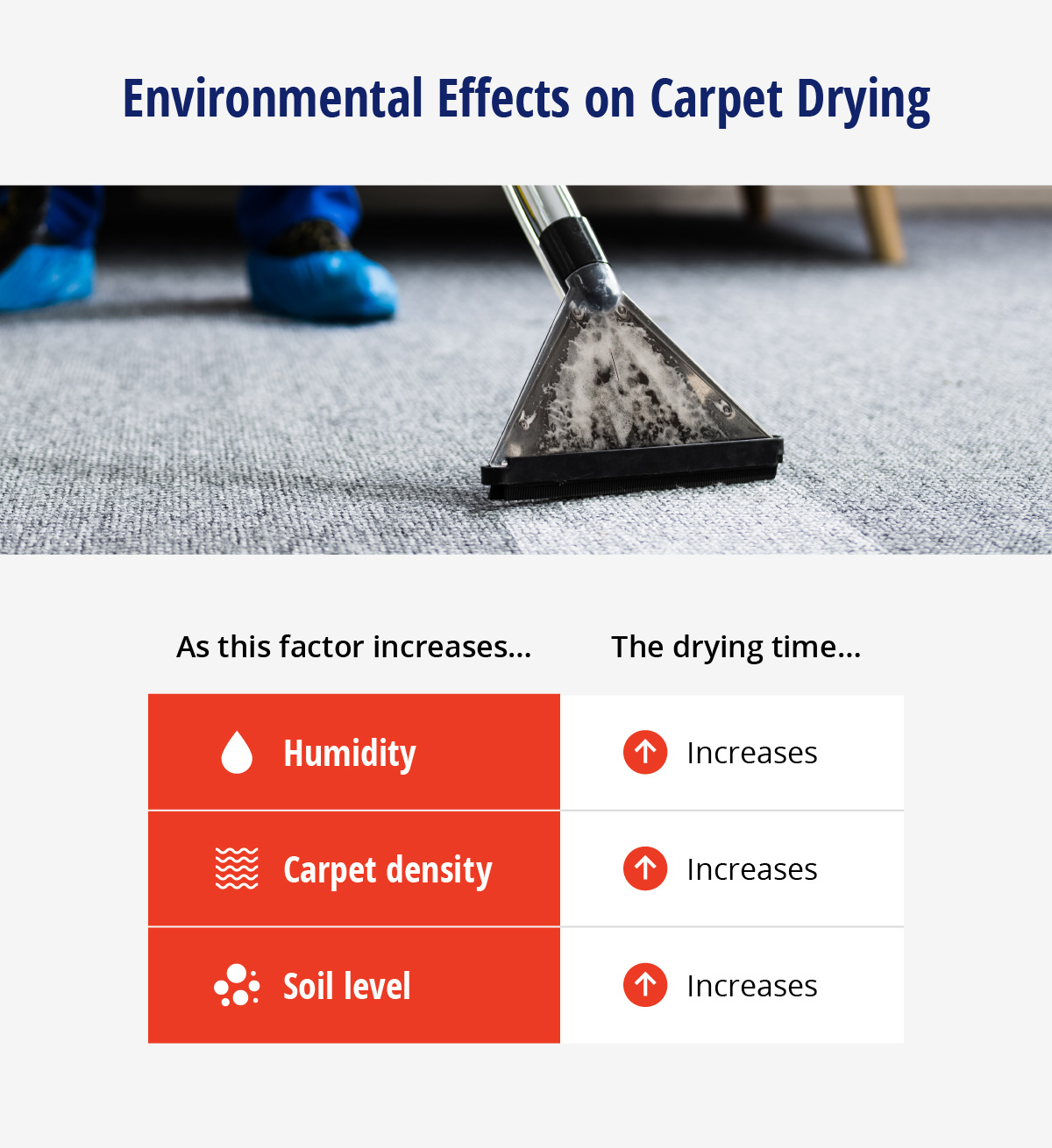
Temperature and humidity influence drying. Warm, dry rooms speed up drying. Cold or humid rooms slow it down. Good airflow helps moisture evaporate quickly. Use fans or open windows to improve air circulation.
Upholstery Thickness
Thicker upholstery traps more water inside. Cushions with dense padding take longer to dry. Thin cushions dry quicker. Firmness and fabric layers also matter. Thicker pieces need more drying time and care.

Credit: couchmaster.net.au
Typical Drying Times
Knowing how long upholstery takes to dry after cleaning helps you plan better. Drying times vary based on cleaning methods and fabric types. Proper drying prevents mold and bad smells. Understanding typical drying times keeps your furniture fresh and ready to use.
Light Cleaning
Light cleaning uses little water or cleaning solution. Drying usually takes 1 to 3 hours. Good air circulation speeds up the process. Sunlight helps but avoid direct heat on delicate fabrics. Light cleaning is quick and less wet.
Deep Cleaning
Deep cleaning involves more water and strong cleaning agents. Upholstery can stay damp for 6 to 12 hours. Use fans or open windows to help drying. Thick fabrics take longer to dry than thin ones. Patience is key for deep cleaned furniture.
Professional Cleaning
Professionals use special machines that extract water fast. Drying time is often 2 to 6 hours. They apply less water than home methods. Professional cleaning leaves furniture less wet and fresher. This method balances thorough cleaning with faster drying.
Tips To Speed Up Drying
Speeding up upholstery drying helps prevent mold and bad smells. It also lets you use your furniture sooner. Simple steps make a big difference in drying time. Use these tips to help your upholstery dry faster and stay fresh.
Use Of Fans And Dehumidifiers
Fans move air around your upholstery. This air movement helps water evaporate quickly. Place a fan near the cleaned furniture. Run it on a low or medium setting for best results.
Dehumidifiers pull moisture from the air. This lowers humidity in the room. Lower humidity speeds up drying. Set a dehumidifier in the room until the upholstery feels dry.
Proper Ventilation
Open windows and doors to allow fresh air in. Good airflow helps water evaporate faster. Avoid closed, stuffy rooms. Keep air moving by using cross-ventilation if possible.
Ventilation reduces moisture buildup. It helps prevent mold and mildew. Keep the room airy while your furniture dries.
Avoiding Direct Sunlight
Direct sunlight may seem helpful but it can harm fabric. Too much sun causes colors to fade. It can also make some materials stiff.
Place furniture in a shaded, airy spot. This protects fabric while drying. Let natural light in, but not direct sun rays.
Signs Upholstery Is Fully Dry
Knowing when your upholstery is fully dry after cleaning is important. Wet upholstery can cause mold and bad smells. It also can get dirty quickly. Checking for dryness helps keep your furniture fresh and safe. Here are simple signs to tell if your upholstery is dry.
Touch And Texture
Touch the surface gently. It should feel dry, not cold or damp. The fabric should feel soft and smooth. Wet upholstery feels heavy or sticky. Press the cushions lightly. No water should come out. The texture should be the same as before cleaning.
Smell Check
Take a deep breath near the fabric. It should smell clean and fresh. Any wet or musty odor means it is still damp. A dry upholstery does not hold strong smells. If you notice a bad smell, wait more time.
Appearance
Look closely at the fabric. It should not have dark spots or patches. Wet areas often look darker than dry ones. The fabric should look even in color. Wrinkles or stiffness can also mean dampness. Fully dry upholstery looks natural and smooth.
Common Drying Issues
Upholstery drying after cleaning can face some common problems. These issues affect how your furniture looks and smells. Knowing these problems helps you avoid damage and keep your upholstery fresh and clean.
Mildew And Odor
Mildew grows when upholstery stays damp for too long. It causes a bad smell that is hard to remove. Poor air flow or thick fabric slows drying and invites mildew. Act fast to dry your furniture thoroughly. Use fans or open windows to speed drying. This stops mildew and keeps your home smelling clean.
Stiffness Or Residue
Sometimes upholstery feels stiff after cleaning. This happens when cleaning products are not rinsed well. Leftover soap or dirt makes fabric rough and sticky. Use the right amount of cleaner and rinse well. Avoid harsh chemicals that damage fabric fibers. Proper rinsing leaves upholstery soft and comfortable.
Color Changes
Colors may fade or run if upholstery dries badly. Too much water or sun exposure causes color loss. Dark fabrics show stains more clearly when wet. Dry in shade and use gentle cleaners to protect colors. Test cleaners on a small area before full cleaning. This keeps your upholstery looking bright and new longer.
Credit: rainbowrestores.com
Frequently Asked Questions
How Long Does Upholstery Take To Dry Naturally?
Upholstery usually takes 6 to 12 hours to dry naturally. Drying time varies by fabric type and room humidity. Proper ventilation speeds up the process. Avoid using upholstery until fully dry to prevent mold and odors.
What Factors Affect Upholstery Drying Time?
Drying time depends on fabric type, cleaning method, and airflow. Synthetic fabrics dry faster than natural fibers. High humidity or poor ventilation slows drying. Using fans or open windows helps reduce drying time.
Can I Speed Up Upholstery Drying After Cleaning?
Yes, improve airflow with fans and open windows to speed drying. Avoid heat sources that may damage fabric. Using a wet/dry vacuum to remove excess moisture also helps. Faster drying prevents mold growth and keeps upholstery fresh.
Is It Safe To Sit On Upholstery Before It Dries?
No, sitting on wet upholstery can damage fibers and cause stains. It may also slow drying and promote mildew growth. Wait until upholstery feels dry to the touch before use. This ensures longevity and cleanliness of your furniture.
Conclusion
Upholstery usually dries within 4 to 12 hours after cleaning. Drying time depends on fabric type, room temperature, and airflow. Faster drying helps prevent mold and bad smells. Keep windows open or use a fan to speed drying. Avoid sitting on furniture until it feels completely dry.
Patience pays off for fresh, clean upholstery. Knowing drying times helps plan your cleaning better. Clean furniture feels and looks great once fully dry.



Leave a Reply