

Cleaning your upholstery can be tricky, especially when you want to avoid those annoying watermarks that ruin the look of your furniture. You’ve probably spent time scrubbing and drying, only to find ugly rings or spots left behind.
But what if you could clean your upholstery without leaving any marks at all? You’ll discover simple, practical tips that protect your fabric and keep your furniture looking fresh and flawless. Keep reading, and you’ll learn how to make your cleaning efforts truly pay off—no more watermarks, just clean and beautiful upholstery.
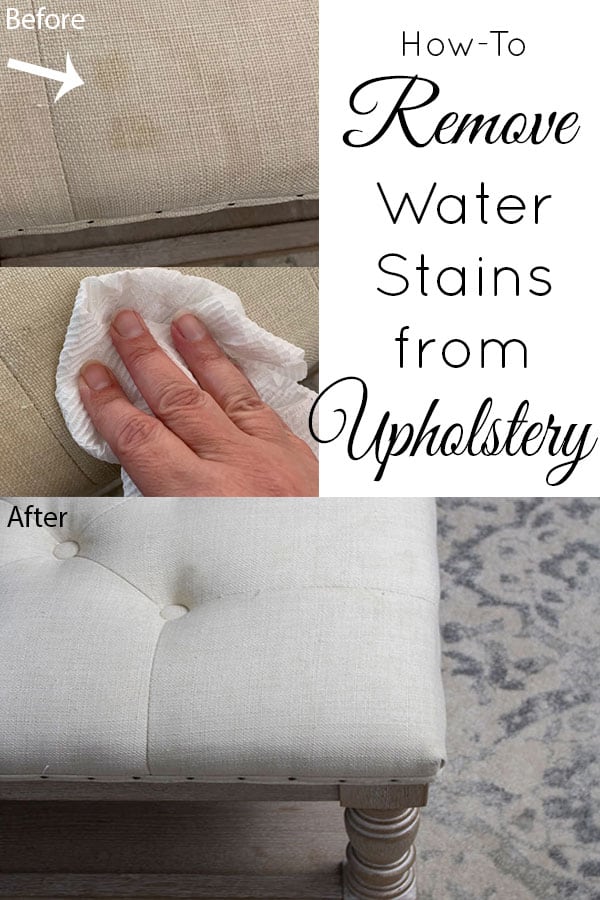
Credit: thehoneycombhome.com
Causes Of Watermarks On Upholstery
Watermarks on upholstery appear after cleaning or spills. They look like uneven, dark spots that spoil the fabric’s look. Understanding what causes watermarks helps prevent them during cleaning.
Different factors affect how watermarks form. These include how the fabric absorbs water, the type of material, and the cleaning method used. Each plays a key role in the final result.
Water Absorption Patterns
Upholstery fabrics absorb water in different ways. Some soak up water quickly, others slowly. Uneven absorption creates spots where water dries at different speeds. These dry spots show as watermarks.
Water moves through fibers and changes the fabric’s color. Areas with more water look darker until fully dry. Uneven drying leaves visible marks on the surface.
Fabric Type Effects
Natural fabrics like cotton absorb water deeply and unevenly. Synthetic fabrics often resist water but can still show marks. Mixed fabrics react in various ways to moisture.
Some materials dry faster, hiding marks better. Others stay wet longer, making marks more visible. Knowing your fabric helps choose the right cleaning method.
Cleaning Method Impact
Using too much water causes deep soaking and watermarks. Harsh scrubbing spreads water unevenly across fabric. Rinsing without proper drying increases watermark risk.
Spot cleaning with minimal water reduces marks. Gentle techniques let fabric dry evenly. The right method prevents water from settling and leaving stains.
Credit: www.appleclean.co.uk
Choosing The Right Cleaning Tools
Choosing the right cleaning tools plays a big role in avoiding watermarks on upholstery. The tools you pick affect how water spreads and how the fabric dries. Using the wrong tools can leave stains or marks that ruin your furniture’s look.
Focus on tools that clean gently and dry quickly. This prevents water from soaking too deep or sitting too long. Good tools also help remove dirt without damaging fabric fibers.
Using Soft Brushes And Cloths
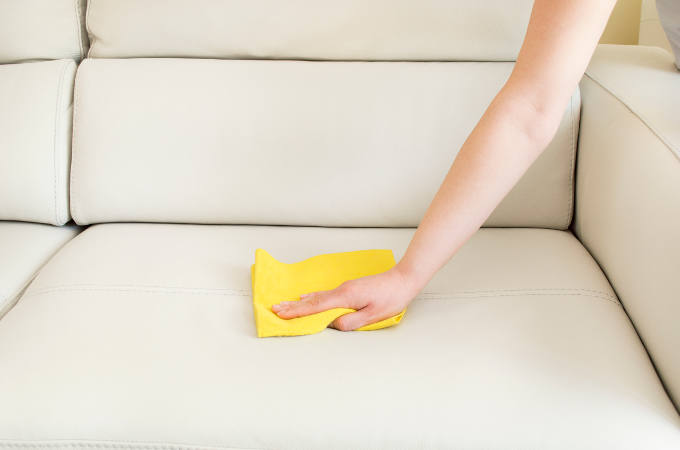
Soft brushes and cloths protect delicate fabric surfaces. They clean without scratching or pushing water too deep. Use microfiber cloths or soft-bristled brushes for best results.
Gently rub the upholstery in small circles. This loosens dirt while keeping water controlled. Avoid rough scrubbing to stop fabric damage.
Avoiding Excessive Water
Too much water causes stains and watermarks. Use only a small amount of water on your cloth or brush. Wring out excess moisture before cleaning.
Spot clean areas carefully instead of soaking the whole fabric. This helps fabric dry faster and prevents water from pooling.
Selecting Appropriate Cleaning Solutions
Choose cleaning solutions made for your upholstery type. Harsh chemicals can harm fabric and leave marks. Test any cleaner on a hidden spot first.
Mild detergents or fabric-safe cleaners work well. They remove dirt without changing fabric color or texture. Follow product instructions to avoid overuse.
Proper Cleaning Techniques
Proper cleaning techniques help keep upholstery fresh without leaving watermarks. Watermarks appear when fabric dries unevenly or too fast. Using the right methods protects your furniture and keeps it looking new. Follow these simple steps to avoid marks and stains.
Spot Cleaning Strategies
Focus on small areas instead of soaking the entire fabric. Use a mild cleaner made for upholstery. Apply it gently with a soft cloth or sponge. Test the cleaner on a hidden spot first to check for color changes. Clean only the stained part to reduce moisture on the fabric.
Blotting Instead Of Rubbing
Blot spills with a clean, dry cloth. Press gently to absorb liquid without spreading the stain. Avoid rubbing; it pushes dirt deeper into fibers. Blotting lifts dirt and moisture carefully. Repeat until the stain fades or is gone.
Maintaining Even Moisture Levels
Keep the fabric damp, not wet. Too much water causes stains and watermarks. Use a spray bottle to apply water evenly. Dry the fabric slowly by letting air flow around it. Avoid direct sunlight or heat, which dries fabric unevenly and causes marks.
Drying Upholstery Correctly
Drying upholstery correctly stops watermarks and keeps fabrics looking fresh. Watermarks form when water dries unevenly, leaving ugly rings or stains. Proper drying helps water evaporate evenly and quickly. This protects your furniture and extends its life.
Using Fans And Air Circulation
Fans speed up drying by moving air around the fabric. Place fans near the upholstery but not too close. Air circulation helps water evaporate from all sides. Open windows or doors to improve airflow in the room. This lowers moisture and prevents watermarks from forming.
Avoiding Direct Heat Sources
Direct heat can damage upholstery fibers and cause shrinkage. Do not use hair dryers or heaters directly on the fabric. Heat dries some spots faster, leading to watermarks. Use gentle, indirect heat or just air circulation for safe drying.
Ensuring Complete Dryness
Check upholstery often to see if it is fully dry. Touch hidden parts to feel for dampness. Incomplete drying invites mold and unpleasant odors. Wait longer if needed to avoid watermarks. Complete dryness means a clean, fresh-looking piece of furniture.
Preventive Measures For Future Cleaning
Preventing watermarks during upholstery cleaning starts before the cleaning process. Taking simple steps helps keep fabric safe and fresh. These measures reduce the risk of stains and watermarks forming. They also make future cleaning easier and more effective. Proper care protects your furniture and keeps it looking new for longer.
Applying Fabric Protectors
Fabric protectors create a barrier against moisture and stains. Spray a fabric protector evenly on dry upholstery. Let it dry completely before use. These products repel water and dirt. Protectors reduce water absorption, which prevents watermarks. Reapply protectors regularly for ongoing defense. Choose a product safe for your fabric type.
Regular Maintenance Tips
Clean spills immediately with a dry cloth. Avoid rubbing, as it pushes liquid deeper. Vacuum upholstery weekly to remove dust and dirt. Use soft brush attachments to protect fabric fibers. Rotate cushions to prevent uneven wear. Keep furniture away from direct sunlight to avoid fading. Prompt care stops stains from setting in.
Professional Cleaning Recommendations
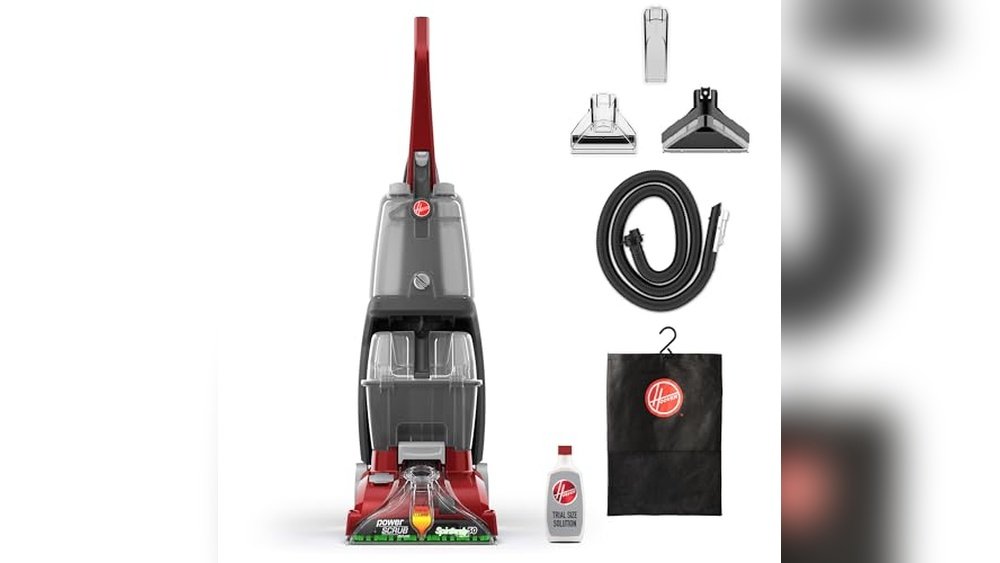
Hire professionals for deep cleaning at least once a year. Experts use the right tools and solutions for your fabric. They know how to avoid watermarks during cleaning. Professional cleaning removes hidden dirt and allergens. It also restores fabric color and texture. Consult a cleaning specialist for advice on your upholstery type.

Credit: www.amazon.com
Frequently Asked Questions
How Can I Prevent Watermarks On Upholstery?
To prevent watermarks, avoid over-wetting the fabric during cleaning. Use minimal water and blot gently with a clean cloth. Always test a small area first and dry quickly with a fan or open windows to speed up evaporation and reduce water stains.
What Cleaning Methods Avoid Water Stains On Upholstery?
Dry cleaning or using upholstery-specific cleaners helps prevent water stains. Avoid soaking the fabric. Use gentle, controlled cleaning techniques and always blot excess moisture immediately to keep watermarks from forming and maintain the upholstery’s appearance.
Why Do Watermarks Appear After Upholstery Cleaning?
Watermarks appear when water or cleaning solution dries unevenly, leaving mineral deposits or fabric discoloration. Excess moisture and slow drying cause these marks. Proper drying and minimal water use reduce the risk of visible water stains on upholstery surfaces.
Which Fabrics Are Prone To Watermarks?
Natural fabrics like cotton, linen, and silk are more prone to watermarks. Synthetic fabrics usually resist water stains better. Knowing your upholstery’s material helps choose the right cleaning approach and prevents watermarks during maintenance.
Conclusion
Avoiding watermarks on upholstery needs care and patience. Use gentle cleaning methods and dry fabric slowly. Test cleaning products on a small spot first. Always blot, never rub, to protect fabric fibers. Keep air flowing to help upholstery dry evenly.
These simple steps keep your furniture looking fresh longer. Clean smartly, and your upholstery will stay beautiful without marks. Small efforts make a big difference in care and appearance.



Leave a Reply